

Pain's Purpose
Scientists have stated that the main purpose of pain is to safeguard us from potentially dangerous situations that could result in injury or illness. Pain signals from body tissue are transmitted via peripheral nerves to the spinal cord, which in turn relays information to the brain and initiates reflexes to remove the endangered body part from the source of danger. On the other hand, the secondary purpose of pain is to facilitate recovery from damage-causing pain. This is where the affected area becomes inflamed or infected. In the absence of physical danger, the relevant information is transmitted to the brain centres, which organise restorative behaviours that include cleaning the wound and disuse or defence of injured limbs.
Pain is a sensory and emotional issue
Pain is caused when nociceptors, nerve endings in the skin, detect damage and send signals to the brain. Pain can be acute, a sudden onset that’s typically short-lived and treatable through the source’s management, or chronic, persisting much longer and harder to treat. However, since we all have a different level of pain tolerance, it can be challenging for doctors to classify the intensity of one’s pain. Medical practitioners typically rely on quantitative scales in assessing pain severity, like those that range from 0 for no pain to 10 for the worst imaginable pain.

Manejo del dolor
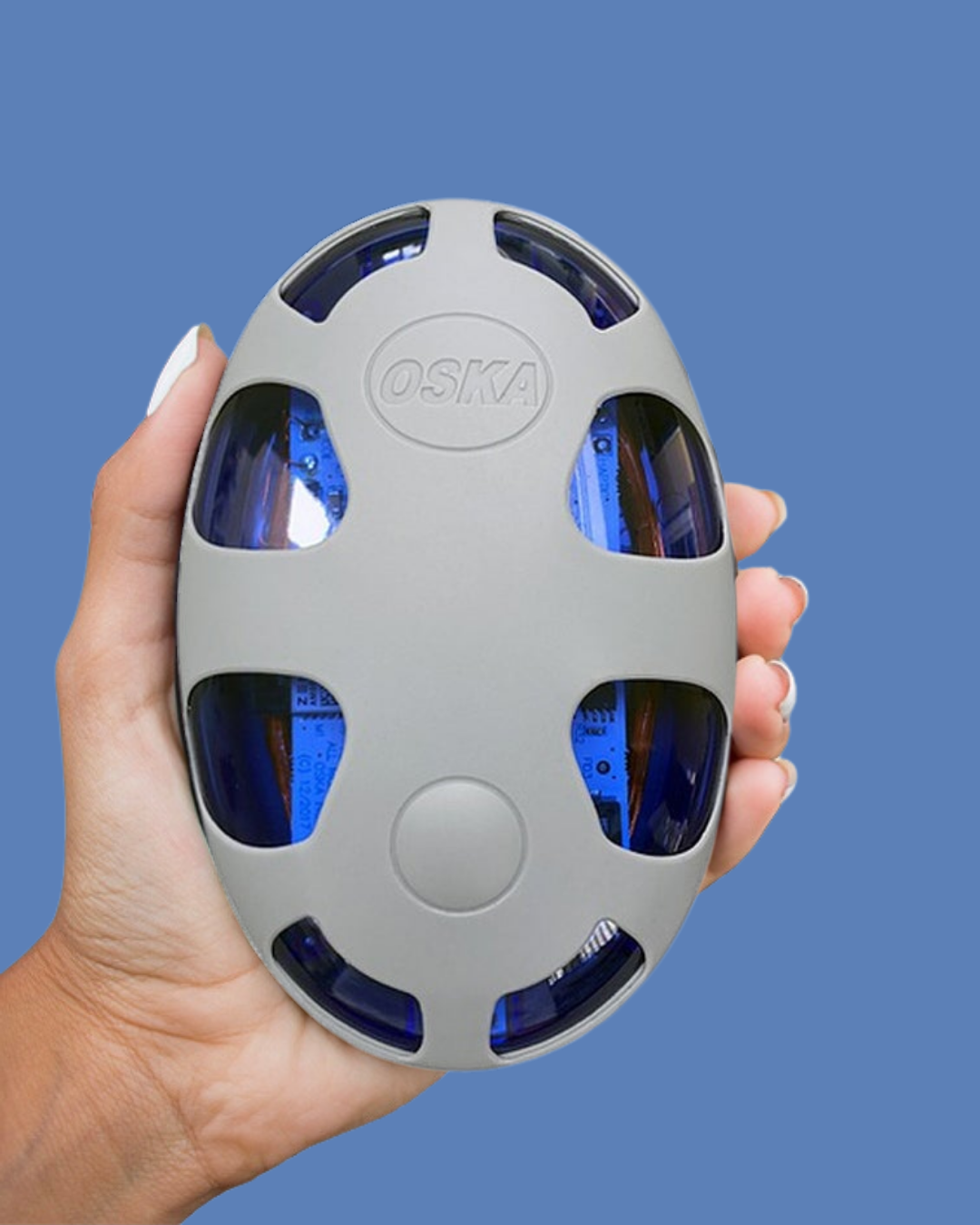
Si busca maneras de controlar el dolor sin medicación, existen varios métodos físicos que puede considerar, como la fisioterapia, la terapia de frío y calor, y el masaje. Una alternativa cada vez más popular es la terapia PEMF (Campo Electromagnético Pulsado). Con el respaldo de una creciente cantidad de investigaciones y numerosos casos de éxito, la terapia PEMF ofrece una solución fiable y moderna para el manejo del dolor. A diferencia de la mayoría de los medicamentos que simplemente bloquean el dolor, la terapia PEMF aborda las causas subyacentes del mismo.
Cómo Oska Pulse ayuda a la inflamación
La inflamación es una parte natural de la respuesta inmunitaria del cuerpo al daño celular, pero a veces puede volverse excesiva. Haga clic aquí para leer más sobre la inflamación . El Oska Pulse está diseñado específicamente para acelerar el proceso inflamatorio estimulando el sistema linfático, mejorando la circulación y proporcionando más oxígeno a la zona tratada.

Referencias
La "huella dactilar del dolor" única del cerebro podría conducir a un manejo personalizado del dolor
No todos sienten el dolor de la misma manera y puede ser difícil para los médicos determinar la gravedad del dolor de una persona.